TMJ / TMD Therapy
TMJ Dysfunction: What is it?
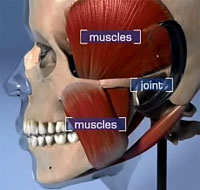
TMJ stands for Temporomandibular Joints, a complex system of bone, muscle, nerves and soft tissue located just in front of your ears. They are the most frequently used joints in the body and are prone to misalignment, which can lead to chronic recurrent headaches as well as ear, facial and neck pain.
“It's All in Your Head”
Until recently, these symptoms, appearing unrelated, were frequently undiagnosed or misdiagnosed as migraine, tension headache, neuritis, neuralgia, or stress. When standard treatment for these types of disorders proved unsuccessful, patients were frequently labeled as hypochondriacs, or mental in origin.
Actually, these often unexplained, undiagnosed and therefore untreated symptoms are often related to a group of problems called TMJ Dysfunction. TMJ Dysfunction is considered “The Great Imposter” because problems within this disorder can produce a wide range of symptoms which, at first glance, might appear unrelated to the jaw joints.
Symptoms of TMJ Dysfunction:
- Headaches or facial pain
- Neck or shoulder pain
- Back pain
- Tingling in arms or fingers
- Ringing or stuffiness in ears
- Dizziness
- Pain when chewing or yawning
- Clicking, popping or grating sounds
- Limited jaw opening
- Locking of the jaw
The Migraine Connection
Over years of study and clinical practice, Dr. Durden has worked with a number of patients that suffer from chronic headaches. Many of these patients' symptoms could be traced back to TMJ/TMD and obstructive sleep disorders which triggered jaw clenching, resulting in the classic “migraine.”
TMD Treatment
Jaw Positioning Therapy is designed to allow the body an opportunity to heal itself. Through use of diagnostic technologies and imaging to show the relationship between the jaw and skull, Dr. Durden is able to minimize the trauma to the joints and maximize the healing effects through proper positioning of the temporomandibular joint(s).
- Proper positioning of the joint(s), using orthotic appliances, is imperative in the healing process.
- Physical therapy and protection of the jaw during healing, including a healthy diet plan, go hand-in-hand to maximize repair of the damaged tissues.
- Non-invasive therapies such as ultrasound, iontophoresis, infrared, radio frequency and cold laser therapy may be recommended for optimum healing.
- Medications may be necessary to reduce inflammation and relax muscles to speed healing. Normal healing time is 8-12 weeks. This may vary depending on an individual's capacity to heal and the extent of their injury.
At the completion of this therapy (usually 3-4 months) final records are taken to evaluate for possible transition out of the orthotic appliance or the need for permanent stabilization of the joint. Surgery is rarely indicated and is always the last resort.
If you experience frequent headaches or other symptoms of TMJ Disorders, Athens Dentist Dr. Phillip Durden can help you find a solution. Contact us to schedule a TMJ Analysis and get back on the road to a pain-free lifestyle today!

Dr. Phillip Durden is a Fellow of the American Academy of Craniofacial Pain which requires a minimum of 300 head, neck, craniofacial pain and TMJ patients and advanced study and training through a minimum of 500 hours of continuing education courses in the field.