Dental Sleep Medicine
Snoring and Obstructive Sleep Apnea (OSA)
Upper Airway Resistance Syndrome (UARS)
An estimated 30 million Americans snore. Of those, many already have, or likely will develop, Obstructive Sleep Apnea (OSA), or sleep disordered breathing.
Approximately 18 million Americans suffer from Sleep Apnea, a disorder characterized by brief interruptions of breathing during sleep. Frequent interruptions of deep, restorative sleep often lead to excessive daytime sleepiness and other serious conditions.
The Sleep Apnea Cycle
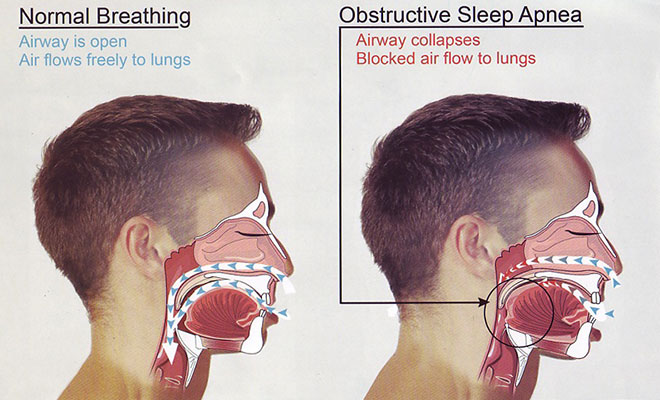
When obstructive sleep apnea occurs, the tongue is sucked against the back of the throat. This blocks the upper airway, stopping air flow into the lungs, and oxygen levels begin to drop in the brain. This partially awakens the sleeping person, allowing the obstruction in the throat to clear and starting air flow back into the lungs, usually with a loud gasp. This process is disruptive to the sleep cycle and has been associated with cardiovascular problems and excessive daytime sleepiness.
Common symptoms of OSA:
- Irritability or changes in behavior
- Morning headaches
- Difficulty concentrating
- Night sweats
- Heartburn
- Nocturia (frequent night-time urination)
- Restless sleep
Obstructive Sleep Apnea can cause:
- Increased risk of stroke
- Increased risk of heart disease and heart attack
- Depression
- Sexual dysfunction
- High blood pressure
- Weight gain
- Daytime sleepiness
- Social/marital problems
Determine Your Risk
The only way to be sure if you have Obstructive Sleep Apnea is to have a sleep test from a qualified sleep physician or in a hospital sleep center. To determine if you are at risk for OSA, take this simple screening test to determine if you should be evaluated:
Epworth Sleepiness Scale
How likely are you to doze off or fall asleep in the following situations?
Treatment for Sleep Apnea
The most common treatment for sleep apnea disorders is CPAP, (Continuous Positive Air Pressure). Dr. Durden works closely with sleep specialists for many of our patients that suffer from OSA to design an oral appliance to use alone or in conjunction with CPAP.
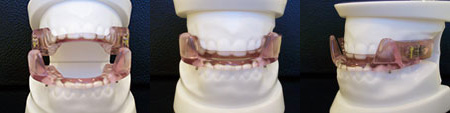
Oral appliances are devices similar to sport mouthguards and are associated with better comfort than CPAP for many people. Oral appliances can be also used as first-line treatment for primary snoring that is not associated with Obstructive Sleep Apnea.
If you believe you or a loved one suffers from Sleep Apnea, Contact Us. We would be happy to assist you in obtaining a referral to a sleep center and discuss options related to your care.
Dr. Phillip Durden is a Member of the American Academy of Dental Sleep Medicine with additional training in the treatment of obstructive sleep disorders.